ByJohn A
What Are NFTs and Why Are They Valuable?
NFTs are non-fungible tokens that timestamp and verify ownership on a blockchain. They encode scarcity, provenance, and utility, enabling distinctive digital assets and transferable rights without traditional gatekeepers. Value emerges from verifiable history, author signals, and practical use in art, gaming, and real-world applications. The economics depend on market dynamics and regulatory clarity. As markets evolve, the balance of risk and opportunity invites closer scrutiny of how these tokens redefine ownership—prompting questions that merit careful consideration.
NFTs 101: What They Are and Why They Matter
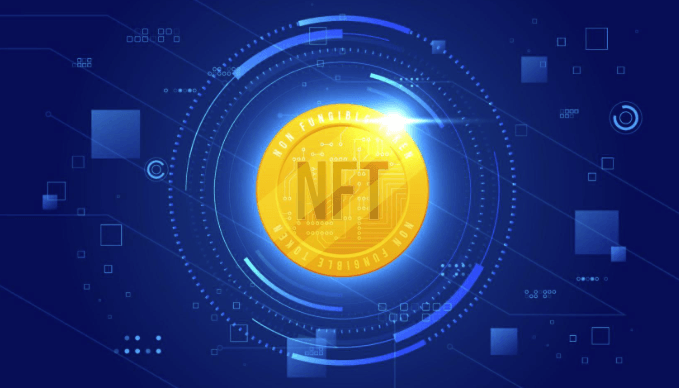
NFTs, or non-fungible tokens, are unique digital assets verified on a blockchain that distinguish each item from others, enabling provenance, scarcity, and verifiable ownership in a decentralized ledger.
The framework supports scarcity forms by defining distinct tokens, while provenance tracking records origin and transfer history.
This structure fosters transparent attribution, auditability, and freedom to engage with creators without centralized gatekeepers.
Why NFTs Have Value: Scarcity, Provenance, and Utility
Scarcity, provenance, and utility underpin the value of non-fungible tokens by translating digital uniqueness into verifiable economics.
The discussion centers on scarcity dynamics shaping token supply and demand, and on provenance signals that authenticate authorship and ownership trajectories.
Evidence suggests provenance signals reduce information asymmetry, while scarcity dynamics align incentives, supporting durable value without reliance on centralized intermediaries.
How People Use NFTs Today: Art, Gaming, and Real-World Cases
Today, people use NFTs across three principal domains—art, gaming, and real-world applications—driven by transferability, verifiable ownership, and new economic models that tie digital assets to tangible or experiential outcomes.
In art, NFT-driven funding structures affect art funding, provenance, and artist incentives; in gaming, gaming monetization shifts emphasis to ownership and service ecosystems; real-world cases illustrate verifiable transfers and collateral potential.
See also: The Benefits of Smart Technology in Modern Retail
Evaluating NFT Worth: Risks, Rights, and Practical Considerations
Evaluating NFT worth hinges on balancing potential upside against a spectrum of risks and rights, while accounting for practical considerations that influence real-world value.
A rigorous risk assessment underpins pricing, while awareness of legal implications informs ownership, licensing, and transferability.
Assessments must weight market dynamics, provenance, and platform terms against autonomy desires and regulatory clarity to determine credible, actionable valuation.
Conclusion
NFTs, the supposed antidote to gatekeeping, resemble certificates of authenticity attached to glittering pixels. Ironically, scarcity is crafted, provenance noisy, and utility hinges on volatile markets and clever branding. The technology offers verifiable ownership and new monetization paths, yet value remains highly contingent on regulatory clarity and credible provenance. In short, NFTs promise democratized assets, but their worth hinges on trust, market demand, and demonstrated practical use—an elegant illusion that requires continual verification.