ByJohn A
The Benefits of Smart Technology in Modern Transportation
Smart technology in modern transportation offers data-driven gains in travel time and emissions through real-time routing and intelligent networks. It supports safety, reliability, and maintenance via standardized interoperability and proactive monitoring. Real-time data integration enhances traffic flow and multimodal coordination, while governance and route planning address equity and transparency. These systems enable scalable platforms and resilient cyber-physical defenses. As cities pursue evidence-based investments, policymakers face choices that shape future mobility—and the implications may extend beyond today’s metrics.
How Smart Tech Elevates Everyday Commutes
Smart technology has become a core driver of efficiency, safety, and accessibility in daily commuting. Data-driven analyses show reduced travel times, lower emissions, and expanded mobility options through intelligent networks and real-time routing. Policy-oriented metrics indicate cost savings and equitable access. However, privacy concerns and data governance frameworks must accompany deployment to sustain public trust and informed, autonomous choice.
Safety, Reliability, and Maintenance When Everything Is Connected
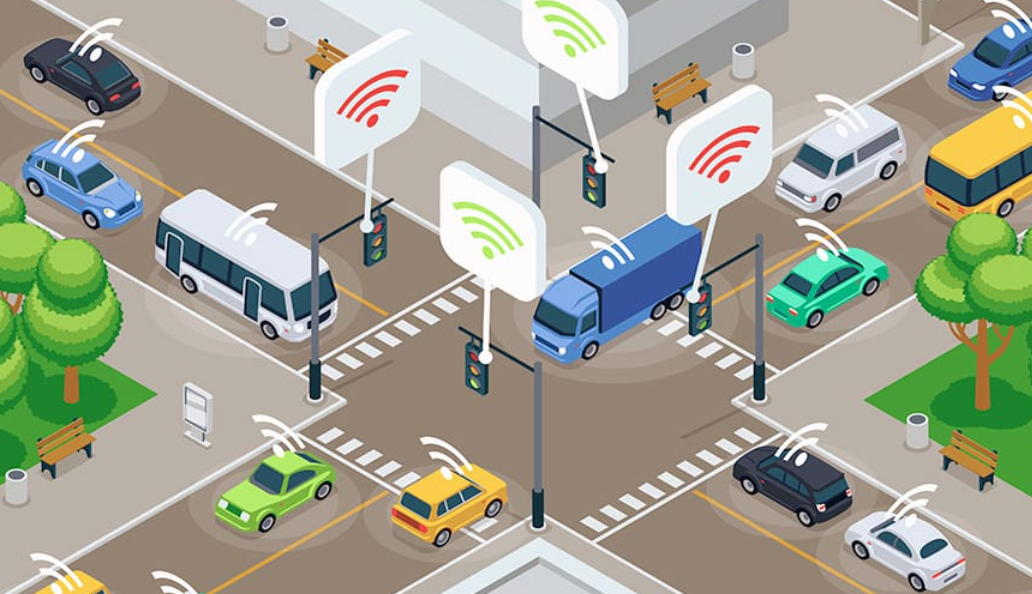
The integration of connected technologies across transportation networks highlights how safety, reliability, and maintenance demands evolve when devices and systems operate cohesively. This evidence-based assessment emphasizes safety governance frameworks, standardized data interoperability protocols, and proactive maintenance schedules. Policymakers should prioritize transparent incident reporting, cross-sector collaboration, and resilient cyber-physical defenses to sustain safe mobility while preserving user autonomy and freedom of choice.
See also: The Benefits of Smart Technology in Modern Retail
Traffic, Emissions, and Efficiency Through Intelligent Systems
This paragraph examines how intelligent systems influence traffic flow, emissions, and overall efficiency by integrating real-time data, adaptive control, and automated coordination across multimodal networks.
Data-driven analyses show measurable reductions in congestion and pollutants when governance frameworks align urban planning with transparent data governance.
Policy-oriented evaluations emphasize scalable, interoperable platforms for mobility, safety, and environmental targets, supporting freedom through smarter planning.
Choosing the Right Smart Transportation Tech for Your City or Route
Cities increasingly rely on tailored technology portfolios to address unique traffic patterns, land use, and governance capabilities.
Selecting smart transportation tech hinges on clearly defined routes, scalable data governance, and reliable sensors.
Prioritize interoperable platforms to avoid vendor lock-in, enabling coordinated signals, real-time analytics, and adaptive routing.
Evidence-based assessments of cost, safety, and public acceptance guide policy decisions and long-term investments.
Frequently Asked Questions
How Is Data Privacy Safeguarded in Smart Transportation Systems?
Data privacy is safeguarded through rigorous anonymization, differential privacy, and strict access controls, while ride sharing data is minimized and monitored, with audits and transparent governance. Evidence indicates ongoing risk assessments, regulatory compliance, and stakeholder engagement drive secure transportation ecosystems.
What Are Upfront Costs and ROI for Cities Adopting Smart Tech?
“Costly at first,” the report notes, upfront costs vary by scale but include sensors and integration; roi emerges over time via reduced congestion and maintenance. Cities quantify payback periods, risks, and performance metrics to justify investments.
How Do Smart Systems Handle Cyber Threats and Outages?
Smart systems mitigate threats via layered cybersecurity, rapid failover, and continuous monitoring; outages trigger autonomous recovery protocols and redundancy. Data sovereignty and edge security guide policy, ensuring resilient, privacy-preserving operations that support a freedom-enhancing transportation ecosystem.
Can Smaller Towns Justify Implementing Smart Transportation Solutions?
Smaller towns can justify implementing smart transportation, though outcomes vary; careful business cases show potential for improved efficiency and safety. Town budget impacts depend on phased investment, while citizen engagement enhances transparency and yields tailored, evidence-based policy decisions.
What Training Do Operators Need for New Smart Infrastructure?
Dreaming gears align like stars; training requirements quantify readiness. Operators must complete formal coursework, hands-on simulations, and safety assessments to achieve certification. Data-driven evaluation informs policy, ensuring freedom through standardized operator certification and ongoing competency monitoring.
Conclusion
In the data-driven fabric of modern transit, smart tech acts as a compass, steering cities toward measurable gains in safety, reliability, and efficiency. Evidence shows real-time routing slashes delays; interoperable systems reduce downtime; proactive maintenance lowers disruptions and costs. Policy frameworks must prioritize equitable access and transparent governance to sustain investment. When integrated with resilient cyber-physical defenses, intelligent networks transform congestion into calm, emissions into clarity, and everyday commutes into consistently reliable journeys.