ByJohn A
The Benefits of Smart Technology in Modern Retail
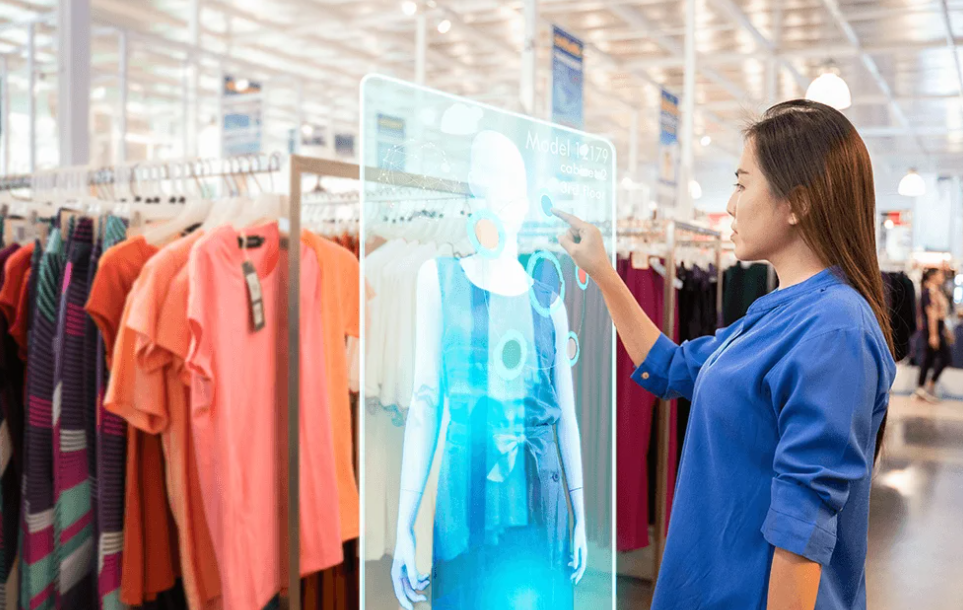
Smart technology reshapes modern retail by streamlining operations, personalizing experiences, and enhancing resilience. Data-driven metrics optimize workflows, automate sensing and forecasting, and accelerate checkout with AI and contactless options. Real-time dashboards improve staffing, loss prevention, and investment decisions. Integrated analytics link inventory, demand, and storefront execution, enabling proactive replenishment and smarter promotions. The result is scalable, privacy-conscious growth with adaptive recommendations and rapid incident response, leaving institutions with a clear path forward and questions worth exploring.
How Smart Tech Elevates Retail Operations
Smart technology has become a central driver of operational efficiency in modern retail. Data-driven metrics show streamlined workflows, reduced cycle times, and sharper inventory control through automated sensing and forecasting. AI enabled checkout accelerates transactions, while contactless payments minimize friction. Operational visibility improves with real-time dashboards, enabling precise staffing, loss prevention, and strategic investment, aligning processes with liberty-driven, future-ready retail goals.
Personalization at Scale: Delivering Better Customer Journeys
Personalization at scale enables retailers to tailor experiences across channels by translating customer data into actionable insights. A data-driven framework supports a cohesive personalization strategy, aligning touchpoints with real-time signals. Effective customer journey mapping reveals friction points and pacing, enabling predictive content delivery, adaptive recommendations, and consistent experiences. This forward-looking approach unlocks loyalty, while preserving customer autonomy and brand integrity.
Inventory, Analytics, and Efficiency: Smarter Back-end for Front-end
Inventory and analytics form the backbone that enables front-end agility in modern retail.
Inventory optimization and data governance drive end-to-end flow, linking stock, demand signals, and storefront execution with measurable efficiency gains.
Data-driven dashboards expose actionable insights, enabling proactive replenishment, reduced write-offs, and smarter promotions.
This forward-looking approach unlocks freedom through transparent metrics, disciplined governance, and continuous performance optimization.
Building Resilient Stores: Security, Trust, and Adaptability
How can stores endure change while preserving trust and safety? The analysis shows resilient retail hinges on robust security protocols and transparent governance. Data-driven risk models reveal adaptable architectures that isolate breaches and sustain service. Trust grows when incident responses are swift and communications clear, enabling customer trust while operations evolve with cyber-ready, privacy-respecting, scalable systems.
Frequently Asked Questions
How Does Smart Tech Impact Employment in Retail Stores?
Smart tech reshapes employment in retail stores by driving automation, reducing routine tasks, and enabling higher-skill roles. This trend alters employment trends, accelerates skill shifts, and emphasizes data-driven decision making, supporting freer, more adaptable workforce strategies.
What Are the Cost Considerations for Small Retailers?
Cost considerations for small retailers hinge on upfront investments, ongoing maintenance, and scalability. Juxtaposed against potential efficiency gains, it becomes a data-driven forecast: small retailers weigh CAPEX, OPEX, and ROI to preserve freedom while advancing outcomes.
Can Smart Retail Solutions Work Offline or in Low-Connectivity Areas?
Offline capable systems and low bandwidth sensors enable smart retail solutions to function in intermittent connectivity, maintaining core analytics, inventory tracking, and customer insights with graceful degradation and data synchronization when connectivity returns. Freedom-oriented, data-driven evaluation remains forward-thinking.
How Is Customer Privacy Protected With Smart Devices?
Customer privacy is protected through stringent data governance, encryption, and privacy compliance; smart devices operate with transparency, minimizing data collection, while ongoing audits ensure governance remains robust, data-driven, and aligned with forward-thinking freedom in retail ecosystems.
What Metrics Indicate a Successful Smart-Tech Rollout?
Metrics adoption and ROI justifications indicate success, measured through store throughput, dwell time, conversion uplift, inventory accuracy, and system uptime. Data-driven analysis shows scalable adoption curves, cross-functional alignment, and forward-thinking plans balancing freedom with measurable performance.
Conclusion
The data underscore a clear trajectory: smart retail integrates operations, personalization, and analytics into a cohesive growth engine. A standout statistic shows stores deploying AI-enabled forecasting reduce stockouts by up to 30% while cutting excess inventory by a similar margin, driving both margins and customer satisfaction. From real-time dashboards to adaptive promotions, the evidence points to a future where retailers anticipate demand, protect margins, and elevate the shopper journey with scalable, privacy-conscious technology.